Rohini Invisible Grills
Compare the view and the bird-exclusion boundary separately
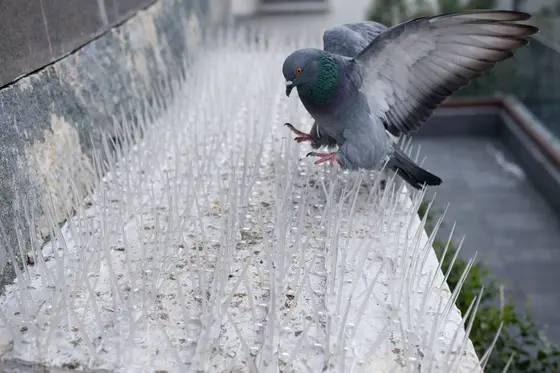
Considering anti-bird invisible grills in A G Colony? Evaluate viewing preferences alongside cable gaps, perimeter coverage and the bird routes actually observed.
Explain what you want to keep visible
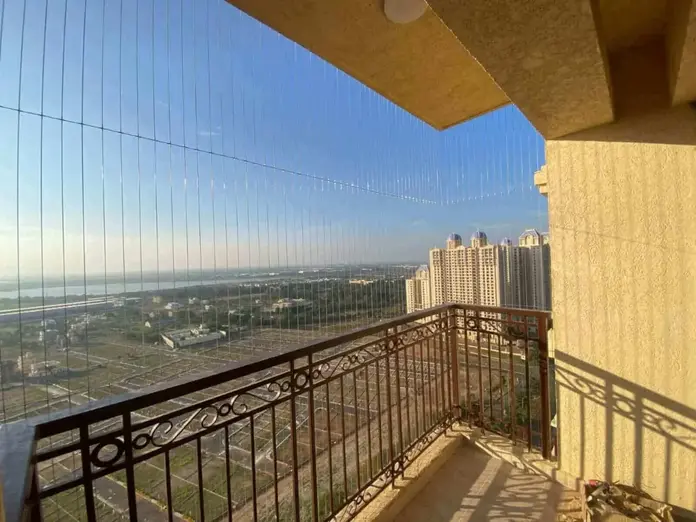
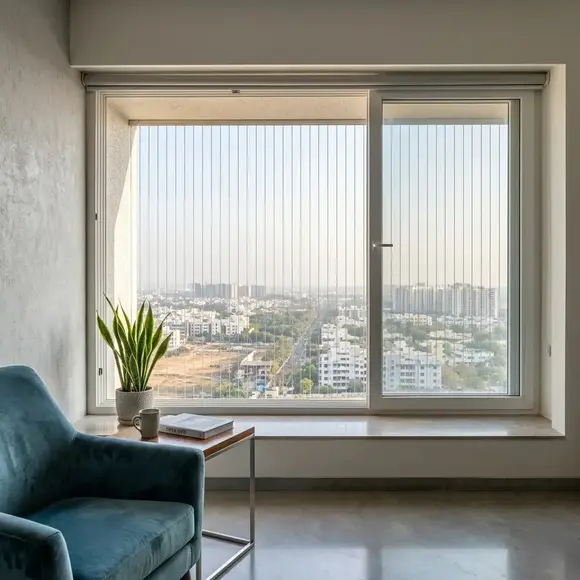
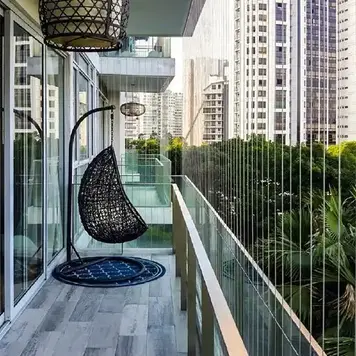
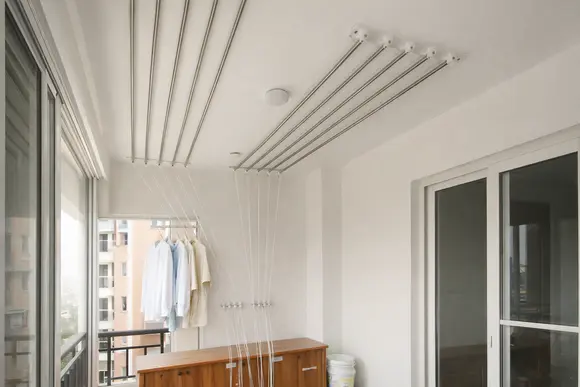
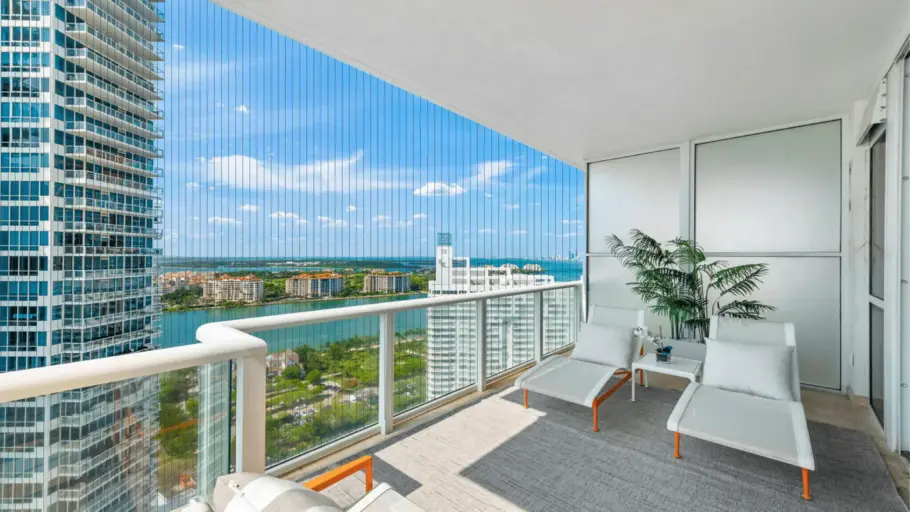
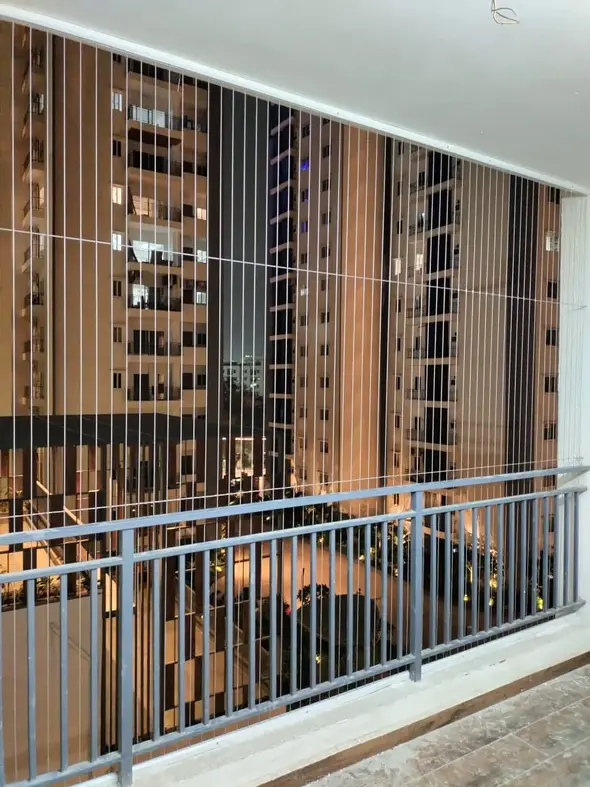
If appearance is important in an A G Colony bird-control enquiry, say where you normally look through the opening: seated inside, standing on the balcony or viewing the building from outside. Product photographs taken at a distance can obscure the fittings and cable lines. Ask to see a representative assembly and understand its visible parts, without treating a pleasing photograph as evidence that birds cannot enter.
Do not trade away the stated exclusion requirement silently
A preference for fewer visible lines needs to be discussed alongside the birds and entry routes involved. The proposed cables still leave gaps, and a cable system is not automatically a bird net. Ask the assessor to explain whether the intended layout can address the actual problem. If a different method is more suitable, have the visual and access trade-offs described rather than accepting a bird-proof label that the design does not support.
Request views of corners as well as the finished front
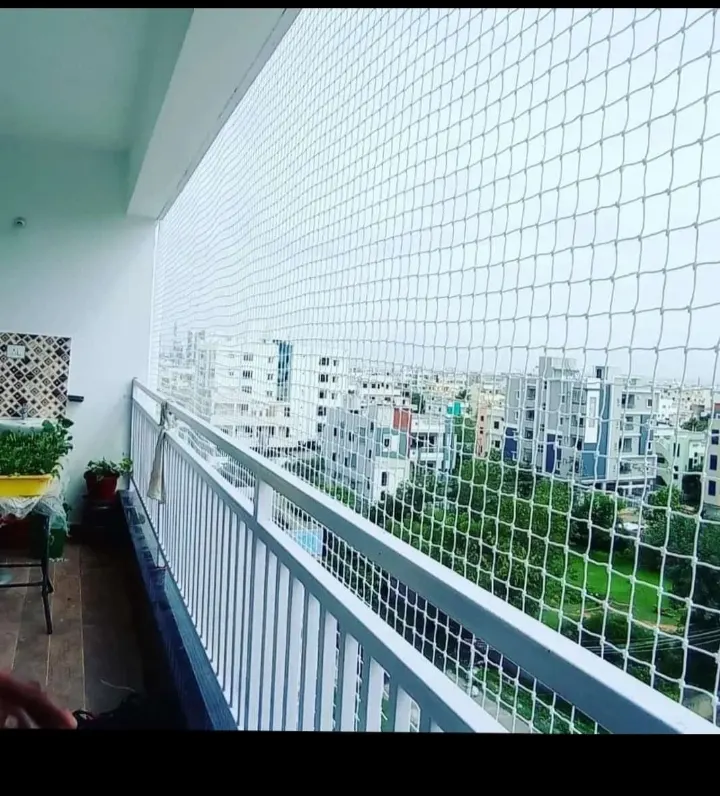
When comparing examples, ask what happens where the installation meets walls, pipes or an outside ledge. A front view alone may not show the perimeter or an excluded perch. Have the scope at your property marked independently of the example photograph. No image of another installation establishes the supporting conditions, coverage or result that can be achieved at this opening.
Set expectations for observation after fitting
Agree which bird activity the installation is intended to address and which outside surfaces remain accessible. Report a continuing entry route accurately rather than assuming every bird seen near the building indicates the same fault. Ensure birds are not enclosed when a boundary is completed, and pause for appropriate wildlife guidance if active nests are present. Keep maintenance access and repairs within the agreed design.
Evaluate cable and mesh appearance against the bird-control task
| Decision point | Cable proposal | Bird-net proposal |
|---|---|---|
| Visual review | Compare the visible wires and hardware from the position where you normally look out. | Review the actual mesh and edge fittings rather than relying on a distant photograph. |
| Exclusion detail | Fewer visible lines cannot justify gaps that fail the stated bird-entry requirement. | Suitable mesh still needs a complete assessed perimeter and workable access closures. |
| Choice | Ask whether the preferred cable layout can address the route before selecting it for appearance. | Consider the visual trade-off alongside coverage and cleaning, not as proof of a whole-property result. |
Comparing bird-control quotations without pricing appearance alone
- The cable or mesh specification and the full perimeter affect cost; a front photograph does not define all treatment quantities.
- Finishing around visible corners and preserving maintenance access add details that should appear in the proposal.
- Request separately described coverage and exclusions for the A G Colony opening before choosing between method-specific totals.
Show the viewing position at your A G Colony opening
- Give the A G Colony, Hyderabad address and a safe view from where occupants normally sit or stand inside.
- Describe the observed bird route separately from appearance preferences, and ask the team to confirm a method-assessment visit.
Assessing product photographs and visual compromises
Can a distant installation photo prove the grill will look invisible indoors?
No. Viewing distance, angle and the visible hardware affect what the photograph shows. Request an appropriate product view or sample and discuss the actual opening; the product name is not a promise that cables disappear.
Should wider gaps be accepted just to reduce the number of visible wires?
Not without reassessing the stated purpose. Ask whether the proposed gaps still suit the bird-exclusion requirement and what alternative methods could be considered if appearance and coverage cannot both be met.
Describe your A G Colony view and bird-entry concern
Send a wide opening photograph and separate observations of bird movement. Explain your viewing preferences and ask Rohini to assess coverage before making a product choice based on appearance.