
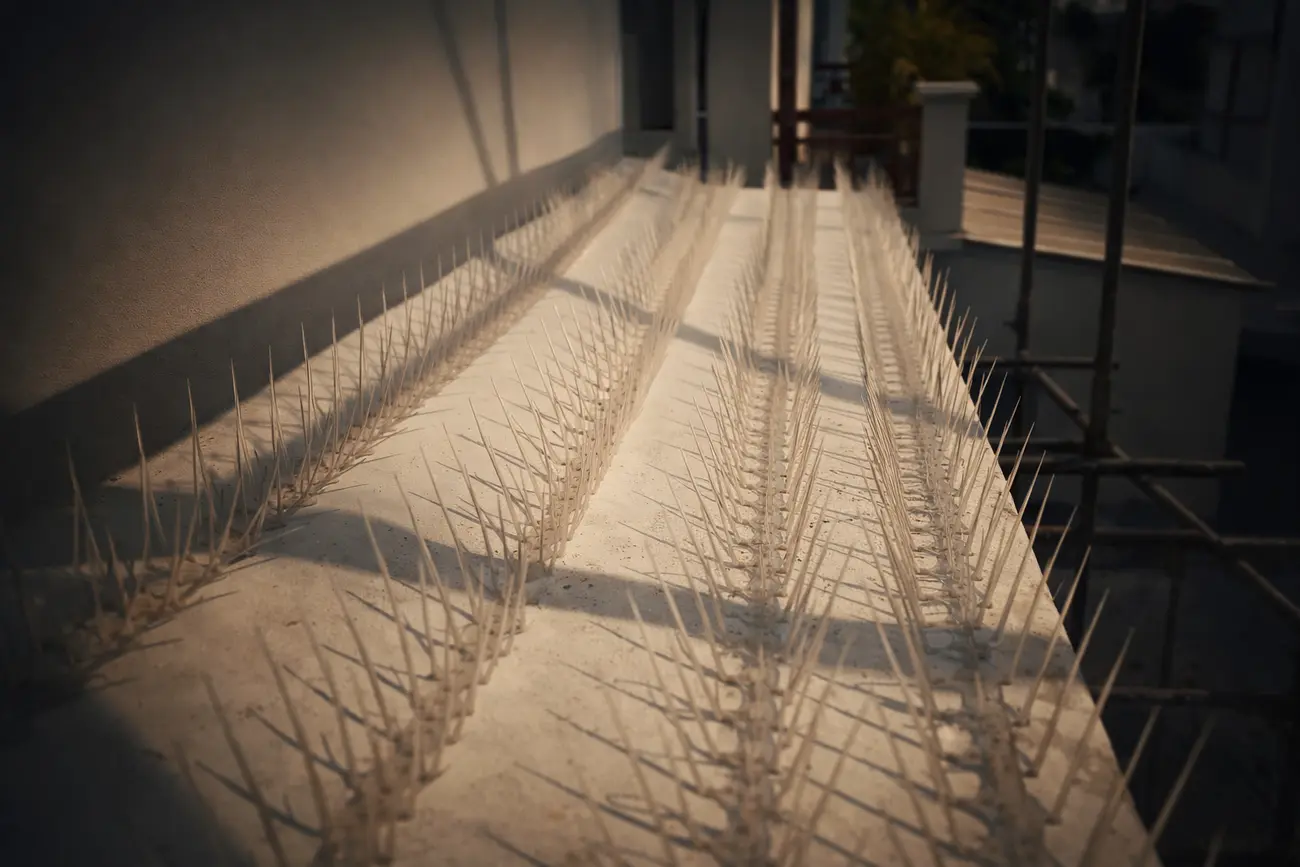
How Bird Spikes Installation should fit a Banashankari space
The local pressure is pigeon movement, road dust, and repeated cleaning around ledges. Bird Spikes Installation content for Banashankari should show how that pressure changes material choice, access, and final finish. A useful Banashankari explanation separates the main service from supporting work. If pigeon safety nets solves one corner better, it should be mentioned instead of hiding behind a generic package.
The buyer is usually comparing comfort, safety, cleaning effort, and price together. In Banashankari, this matters most around parapets, where active perch diagnosis can decide whether the installation feels neat or improvised. Banashankari brings villa-style sit-outs, terrace turns, and wider edges that need more careful line control. For bird spikes installation, that means the installer must read daily use before giving a final site-visit based pigeon control answer.
Process
Site Read
Materials
Scope Based
Service Area
Banashankari
Site condition reviewed before final fitting is confirmed.
Material options discussed against exposure and fixing surface.
Fitting planned around balconies, windows, and high-rise access.
What changes when the site is read properly
The local pressure is pigeon movement, road dust, and repeated cleaning around ledges. Bird Spikes Installation content for Banashankari should show how that pressure changes material choice, access, and final finish. A useful Banashankari explanation separates the main service from supporting work. If pigeon safety nets solves one corner better, it should be mentioned instead of hiding behind a generic package.
Before fitting
Small site choices that change daily use
Before booking
Want the perch-line check explained before booking?
Speak with our team for site guidance, product suggestions, and a site quote for your balcony, window, or outdoor installation.
Site decisions
The parts of the job that should not feel copied
The points below turn the service from a product label into a site-specific scope for Banashankari.
How We Install Bird Spikes in Banashankari
A useful Banashankari explanation separates the main service from supporting work. If anti bird invisible grills solves one corner better, it should be mentioned instead of hiding behind a generic package. How We Install Bird Spikes in Banashankari in Banashankari starts with apartments, independent homes, and mixed residential buildings. The practical check is ledges, then wrong spike placement, then whether weather-resistant base fixing suits the surface and exposure.
How Bird Spikes Help discourage bird entry
When newer flats, older homes, and service-linked balcony openings meet renovated interiors, older wall edges, and customers who want a cleaner visual finish, a one-line service description becomes too thin. This section keeps Banashankari tied to combined net-and-spike planning, anti bird invisible grills, and real installation judgement. Banashankari brings renovated interiors, older wall edges, and customers who want a cleaner visual finish. For bird spikes installation, that means the installer must read daily use before giving a final bird spikes price answer.
How Banashankari Customers Compare Bird Spikes Installation in Banashankari
Banashankari brings villa-style sit-outs, terrace turns, and wider edges that need more careful line control. For bird spikes installation, that means the installer must read daily use before giving a final pigeon spikes installer answer. The better question is not only what can be installed, but what will still look right after months of use. In Banashankari, this matters most around AC outdoor units, where active perch diagnosis can decide whether the installation feels neat or improvised.
Where Bird Spikes Installation Fits Locally
- Bird Spikes Installation planned for Banashankari homes where morning sunlight, drying clothes, small planters, and family movement near the opening affect daily use
- Site-fit check for window shades, active perch diagnosis, and fixing access before final installation
- Material discussion around stainless steel spike options instead of a one-line rate card
- Useful for customers comparing local bird spikes installation options in Banashankari
- Can be combined with anti bird nets when one opening needs a different solution
- Keeps the result practical, neat, and easier to maintain after installation
- Better suited to Banashankari when the team measures the site before confirming scope
- Helps buyers compare price, contractor fit, site visit, and problem-solution questions naturally
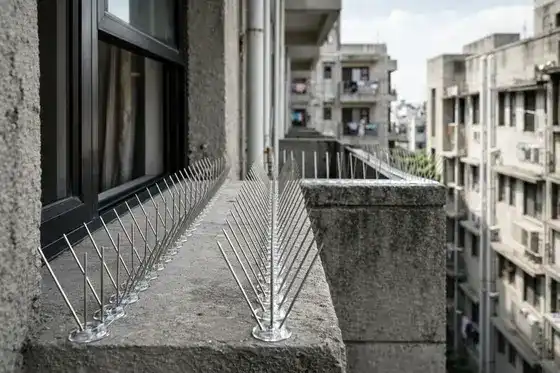
The cost should follow the opening, not a fixed script
Fitting sequence
perch-line check first, material and fitting after that
The local pressure is pigeon movement, road dust, and repeated cleaning around ledges. Bird Spikes Installation content for Banashankari should show how that pressure changes material choice, access, and final finish. A useful Banashankari explanation separates the main service from supporting work. If pigeon safety nets solves one corner better, it should be mentioned instead of hiding behind a generic package.
Practical hold, clean alignment, and easier use
Every installation is planned to preserve openness, airflow, and the clean look of the property while improving safety.
Simple checks
ledge and perch care that keeps the area easy to use
The strongest buyers are not only asking for material; they are asking for confidence. The strongest bird spikes installation recommendation in Banashankari connects clean adhesive or screw fixing where suitable with the actual site condition, not a fixed script. The local pressure is wind exposure, service ducts, and openings that need a neater daily-use fix. Bird Spikes Installation content for Banashankari should show how that pressure changes material choice, access, and final finish.
Related Services
Customers also explore these services
Browse closely related installation services for balconies, windows, bird protection, and modern home safety.
Service Page
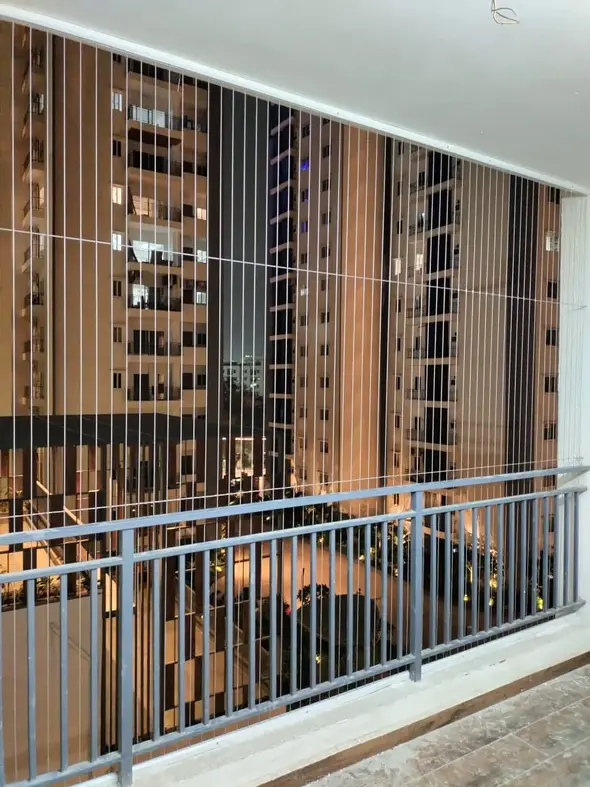
Anti Bird Invisible Grills
Keep your home free from pigeons and birds with anti-bird invisible grills. Made with SS 304/316 materials, these grills are designed for apartments and terraces, ensuring safety without compromising aesthetics.
Service Page
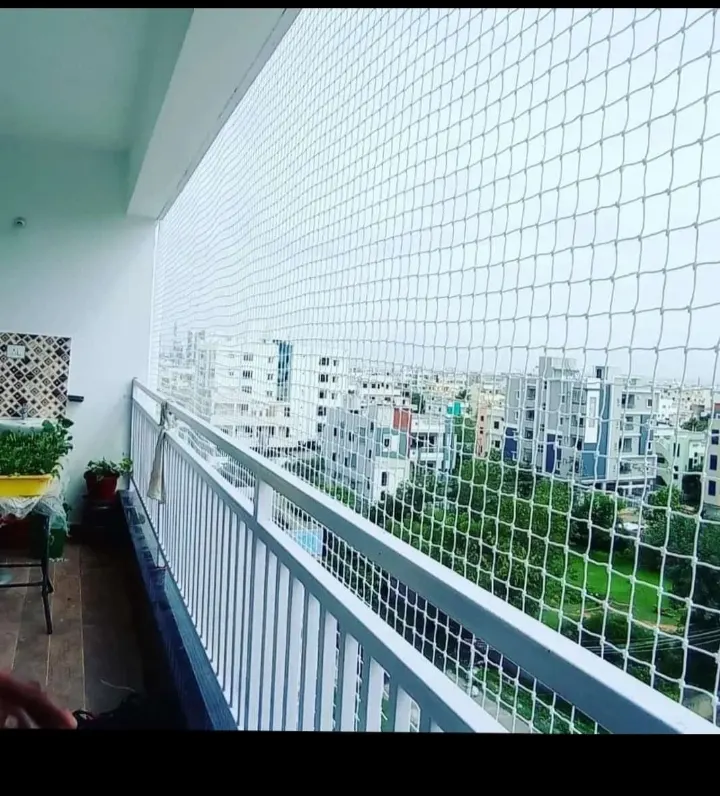
Anti Bird Net Installation
Strong and long-lasting anti bird nets to protect balconies, windows, and open areas from pigeons and birds. Safe, eco-friendly, and ideal for maintaining hygiene in residential and commercial spaces.
Service Page
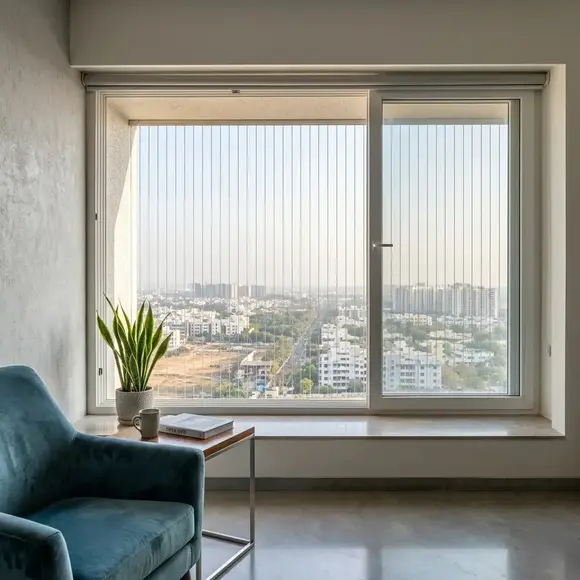
Windows Invisible Grills
Custom window grills using SS 304/316 grade stainless steel. Invisible yet strong, ideal for child safety and bird protection, letting you enjoy a clear view while keeping your home secure.
Service Page
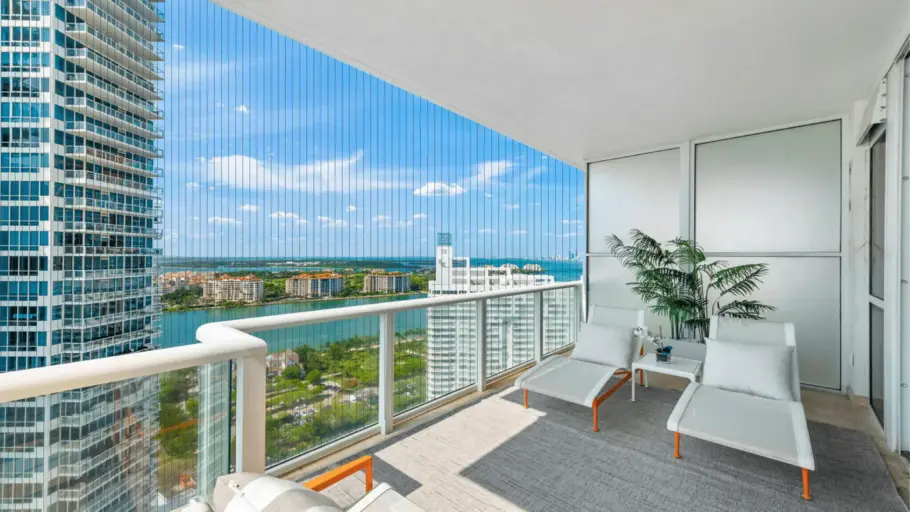
Invisible Grills
Premium invisible grills made from SS 304/316 grade materials, ideal for apartments, windows, and balconies. Protects children and prevents birds from entering your home without blocking your view.
Frequently Asked Questions
Bird spikes price in Banashankari depends on area size, spike material, and installation work. We provide cost-aware bird spikes, pigeon control spikes, and anti bird solutions with site check and clear pricing.
Yes. Bird spikes installed in Banashankari are safe and designed to help reduce pigeon entry without harming them. They act as a barrier to help reduce bird entry from sitting on balconies, windows, and ledges.
No. Bird spikes do not block airflow or sunlight. They only help reduce pigeon entry from landing, keeping your space open, clean, and comfortable.
Yes. Bird spikes work well with bird nets and pigeon nets to give broader coverage. Spikes reduce bird entry from sitting, while nets block entry into open areas.
Most bird spikes installation in Banashankari is completed within a few hours depending on the area size. Our team helps quick and clean service.
Bird spikes are suited to active perch points such as ledges, while bird nets are better for covering open spaces. Some sites need both, depending on the route.
Yes. We provide bird spikes installation, pigeon control spikes, and bird net services across Banashankari with careful fitting and steady results.
Price depends on site size, access, fixing surface, material choice, ledges, and whether any previous work needs correction before installation.
Rohini Invisible Grills provides site-visit based bird spikes installation support in Banashankari and nearby areas, with clear guidance before installation.
Yes. We check why the earlier work failed, whether the missed point was a side gap, ledge, weak fixing, wrong material, or incomplete coverage, and then suggest a cleaner correction.
Ask about clean adhesive or screw fixing where suitable, fixing method, outdoor exposure, and whether the installation is planned around the actual site instead of only a rough measurement.
Yes. Some problems need bird spikes installation while others are better solved with balcony safety nets or a combination. A site visit helps choose the right option.
Popular Areas We Serve
Explore this service in top locations
Ready for a site read
Need Bird Spikes Installation in Banashankari?
Ask Rohini Invisible Grills to identify the active perch line, surface width, and fixing method for bird spike installation in Banashankari.