
Bird Spikes Installation in Inole | Anti Pigeon Spikes for Balconies, Ledges & Windows
Rohini provides well-finished bird spikes installation in Inole for small plotted houses, terraces, parapet fronts, and gate-front compounds. Our anti pigeon spikes help protect parapets, chajjas, AC ledges, window projections, and other hard perch lines with a cleaner, route-aware bird-control finish.
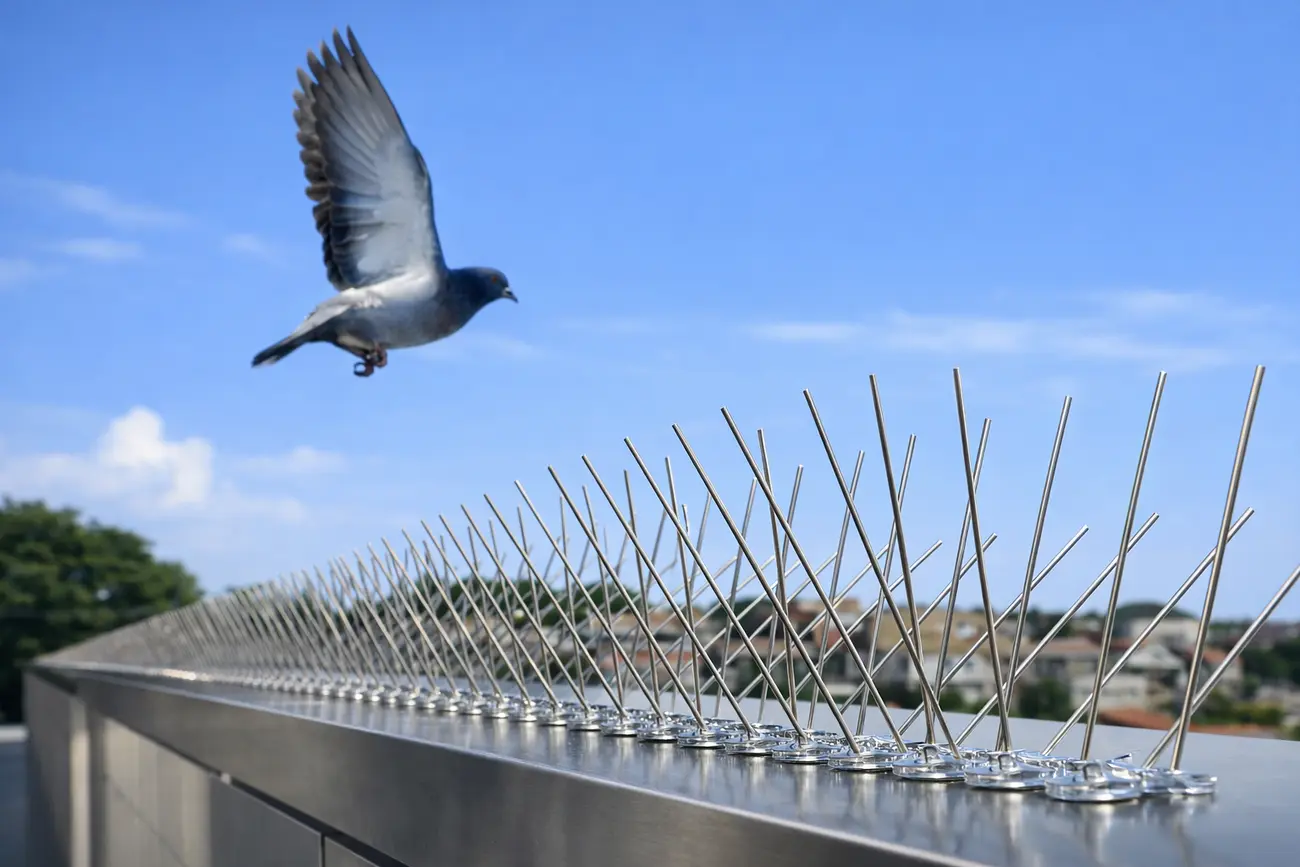
How Bird Spikes Installation should fit a Inole space
Owners in Inole often compare spikes with nets, loose deterrents, or bargain local fixes as though all bird-control products solve the same problem. They do not. Bird spikes are right when pigeons are repeatedly perching on narrow hard bands such as terrace parapets, compound wall caps, gate strips, and window projections. They deter landing while keeping the property visually more open than a broad enclosure would. If a property has a wide void that needs complete blocking, another approach may be better. If the real frustration is hard-edge perching and repeat droppings, spikes are often the cleaner and more truthful solution. Serious buyers appreciate that clarity because it stops them from stacking mismatched fixes on the same façade.
Bird trouble in Inole usually begins on a line most people overlook at first. It might be terrace parapets, or it might be compound wall caps. In the outer settlement belt where terraces and compound-wall properties face broader open-air bird movement, properties are shaped by small plotted houses, terraces, parapet fronts, and gate-front compounds, and those surfaces stay inside normal family use. families still use terraces and front edges directly, so they notice quickly when those lines stop feeling clean. Once pigeons gain confidence on a narrow hard edge, the whole space starts feeling compromised. People stop standing near it, keep windows less open, or find themselves cleaning the same strip again and again. Bird spikes make sense in Inole when the issue is repeated perching on ledges, parapets, chajjas, and other hard landing bands rather than full open entry through a wide gap. That keeps the correction focused on the actual perch pressure instead of forcing a heavier solution onto the whole property.
Process
Site Read
Materials
Scope Based
Service Area
Inole
Site condition reviewed before final fitting is confirmed.
Material options discussed against exposure and fixing surface.
Fitting planned around balconies, windows, and high-rise access.
What changes when the site is read properly
In many Inole properties, pigeons use a sequence, not a single isolated ledge. They may first pause on terrace parapets, shift to compound wall caps, then test gate strips before keeping window projections as a fallback line. Front-only spike jobs disappoint because they answer the stain instead of the route. Strong bird spikes installation follows the movement pattern and identifies where the bird gains comfort before it reaches the dirtiest visible strip. In Inole, that route-aware reading is what separates an actual correction from a cosmetic first attempt. Once that sequence is broken properly, the property usually settles down faster than owners expect.
Site details
What should be clear before the team starts
Speak with the team
Need a site read for bird spikes installation in Inole?
Speak with our team for site guidance, product suggestions, and a site quote for your balcony, window, or outdoor installation.
Inole scope
Details that keep the space easy to use
A good Inole scope should explain the surface, the material, and the small choices that affect daily use.
Why Inole Keeps Creating Perch Lines
The architectural rhythm of Inole creates ideal pause points for pigeons. In the outer settlement belt where terraces and compound-wall properties face broader open-air bird movement, buildings repeatedly expose terrace parapets, compound wall caps, gate strips, and window projections and other narrow resting surfaces. Birds prefer these because they provide grip, visibility, and a quick exit path. The tension grows because the same property still needs those edges to stay functional. families still use terraces and front edges directly, so they notice quickly when those lines stop feeling clean. Owners searching bird spikes local, anti pigeon spikes, site-visit based spike installation, or careful bird-control fitting in Inole are usually reacting to that conflict. They want the edge back without making the property feel boxed in or visually rough. Correct spike planning addresses exactly that kind of recurring hard-surface landing pattern. It also helps owners avoid wasting money on broad deterrents that never matched the real behavior of the birds.
Why Some Bird-Control Work Still Leaves Inole Properties Dirty
Poor bird-control work in Inole usually makes one mistake: it treats the most visible ledge as the entire problem. A contractor fixes spikes on one strip, takes photos, and leaves the rest of the route untouched. The property stays active because the first spike line handled the terrace front and ignored the compound wall cap where the birds kept pausing first. Owners then assume spikes are not effective, when the real issue was incomplete route reading. Bird spikes are careful on narrow hard surfaces such as parapet caps, sunshades, AC ledges, façade bands, sign tops, and balcony returns. They only underperform when used lazily, without understanding how birds are approaching the building. Most of the anger after a failed first job comes from paying for something visible that still leaves the same cleaning cycle behind.
A Route Correction in Inole That Proved the Point
A recent project at a terrace edge above a simple front compound entrance showed how much difference a true route correction can make. The owner had already paid for a quick first fix, and from one angle the property looked handled. Yet pigeons kept returning because the first spike line handled the terrace front and ignored the compound wall cap where the birds kept pausing first. We corrected a terrace route that previous work missed completely. Once the missing surface was treated and the spike layout was tightened along the real landing path, the property stopped behaving like a waiting zone. Cleaning reduced sharply. The family stopped policing the same edge every day. The balcony, terrace, or frontage began feeling usable again. In Inole, that kind of shift is the clearest proof that better reading matters more than more material.
Surfaces Where Bird Spikes Work Right in Inole
Bird spikes belong on narrow hard surfaces where pigeons are landing, pausing, or regrouping. In Inole, that often includes terrace parapets, compound wall caps, gate strips, and window projections along with similar beam edges, coping bands, canopies, sign tops, gate strips, and façade ledges. These are the lines where birds build confidence. They are not the same as broad open gaps that need full opening control from another type of system. Good spike work stays honest about that distinction. When spikes are used exactly where the landing pressure exists, the property stays visually lighter while losing the edge that birds had turned into a habit.
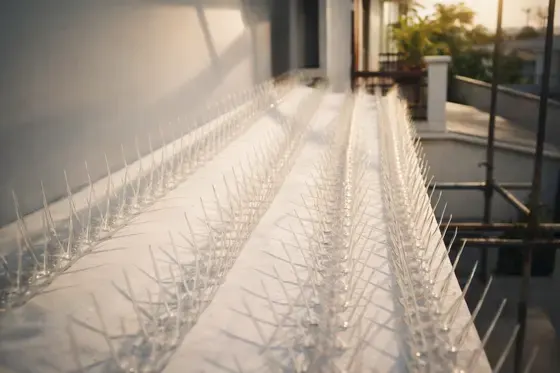
What changes the Inole quote
Work sequence
Surface, access, and alignment before the final fitting
Owners in Inole often compare spikes with nets, loose deterrents, or bargain local fixes as though all bird-control products solve the same problem. They do not. Bird spikes are right when pigeons are repeatedly perching on narrow hard bands such as terrace parapets, compound wall caps, gate strips, and window projections. They deter landing while keeping the property visually more open than a broad enclosure would. If a property has a wide void that needs complete blocking, another approach may be better. If the real frustration is hard-edge perching and repeat droppings, spikes are often the cleaner and more truthful solution. Serious buyers appreciate that clarity because it stops them from stacking mismatched fixes on the same façade.
Practical hold, clean alignment, and easier use
Every installation is planned to preserve openness, airflow, and the clean look of the property while improving safety.
After fitting
After-care for ledge cleaning and bird-control upkeep
Inspect the full perch route instead of assuming the dirtiest visible strip is the whole problem.
Ask whether the quotation includes linked lines if birds move between terrace parapets and compound wall caps.
Prepare dusty or older surfaces properly before fixing spikes so the installation stays neat and daily-use.
Use spikes only on real hard-edge perch lines instead of forcing them onto openings better solved by another system.
Check for missed support surfaces such as canopies, AC trays, gate bands, or return ledges because those often keep the route alive.
Prioritize finish quality so the property gains control without looking visually rougher afterward.
Related Services
Customers also explore these services
Browse closely related installation services for balconies, windows, bird protection, and modern home safety.
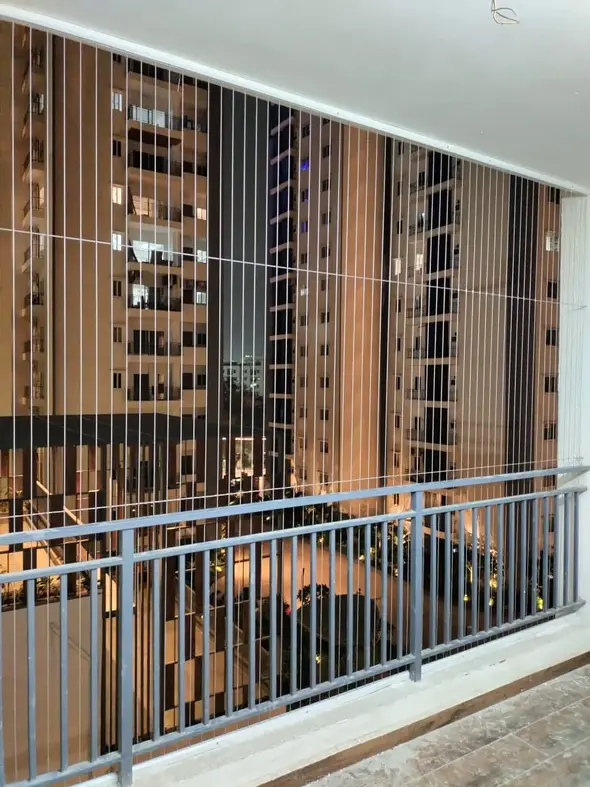
Service Page
Anti Bird Invisible Grills
Keep your home free from pigeons and birds with anti-bird invisible grills. Made with SS 304/316 materials, these grills are designed for apartments and terraces, ensuring safety without compromising aesthetics.
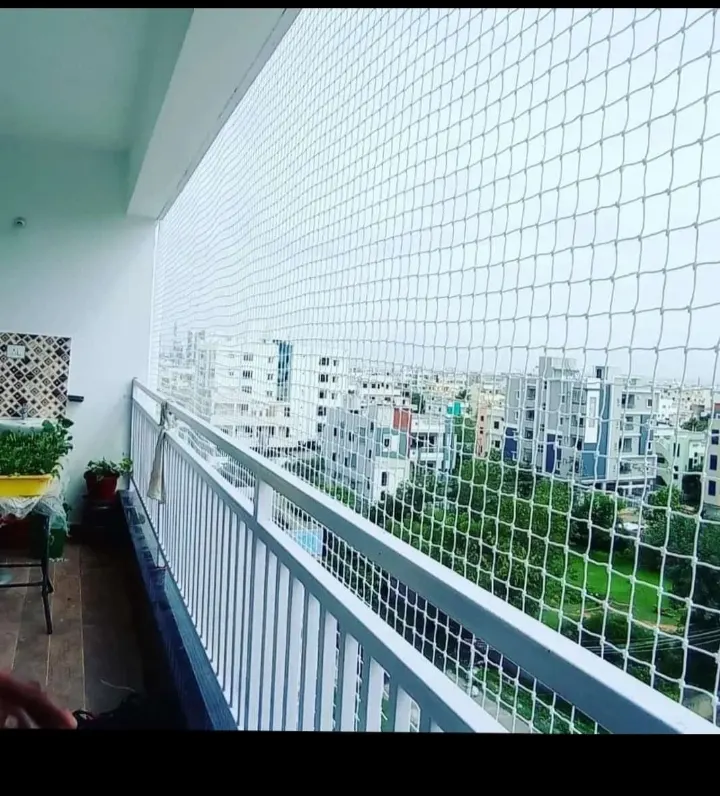
Service Page
Anti Bird Net Installation
Strong and long-lasting anti bird nets to protect balconies, windows, and open areas from pigeons and birds. Safe, eco-friendly, and ideal for maintaining hygiene in residential and commercial spaces.

Service Page
Windows Invisible Grills
Custom window grills using SS 304/316 grade stainless steel. Invisible yet strong, ideal for child safety and bird protection, letting you enjoy a clear view while keeping your home secure.
Service Page
Invisible Grills
Premium invisible grills made from SS 304/316 grade materials, ideal for apartments, windows, and balconies. Protects children and prevents birds from entering your home without blocking your view.
Frequently Asked Questions
They work right on narrow hard surfaces such as terrace parapets, compound wall caps, gate strips, and window projections, along with similar parapet caps, canopies, beam edges, and façade ledges where pigeons keep landing.
Yes, when the balcony issue is perching on parapets, returns, AC ledges, or similar hard lines. If the problem is a wide open void, another system may be more suitable.
No. Properly installed bird spikes are a humane deterrent that stops comfortable landing and perching when used on the correct surfaces.
Yes. AC ledges and window shades are among the most common repeat landing points we treat when they are part of the real route.
Price depends on total perch length, access, height, preparation, surface condition, and whether failed earlier material must be removed before correct installation.
Yes. Rework often succeeds once the missing landing route is identified and handled instead of repeating the same front-only logic.
Straightforward jobs can often be completed in a short visit, while taller or more complex route-correction projects take longer. Timing depends on the surfaces involved.
Because this service is highly visible. People want a team that can read the route correctly, fit the spikes neatly, and leave the property looking better instead of rougher.
Popular Areas We Serve
Explore this service in top locations
Ask for a scope check
Need Bird Spikes Installation in Inole?
Get a Site Check in Inole for anti pigeon bird spikes on parapets, window shades, AC ledges, façade edges, and other repeat landing lines.