
Cloth Hangers in Financial District | Ceiling & Balcony Drying Solutions Installation
Rohini provides well-finished cloth hanger installation in Financial District for luxury apartments, tower homes, and refined utility balconies. We replace cluttered stands, rusted rods, and badly placed wall racks with cleaner ceiling and balcony cloth hanger systems that improve drying efficiency, floor movement, and everyday utility comfort.
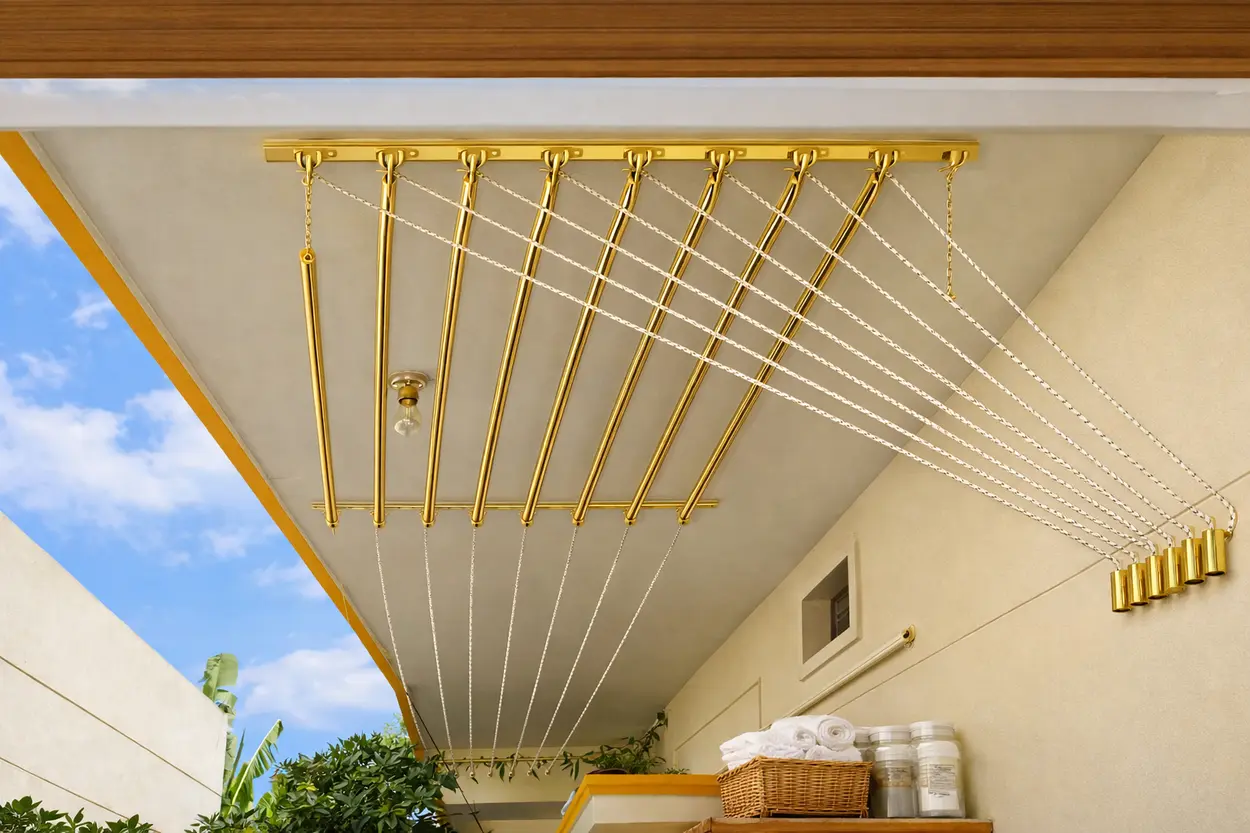
A calmer utility and ceiling answer for Financial District
In homes around Financial District changes only after the drying line is planned around the room instead of forced into it. The pattern is familiar. A stand comes out for the bigger wash load. Another low rod gets added because the first line was never enough. The family starts adjusting routines around the setup: waiting to sweep, delaying access to the washing machine, or folding longer garments awkwardly just to stop them from brushing the wall or floor. In the well-finished west-side high-rise corridor with luxury towers, visually sensitive utility edges, and strong finish expectations, this tension develops inside luxury apartments, tower homes, and refined utility balconies. In Financial District, utility products are expected to behave like part of a well-finished built environment rather than like visible service attachments. rough rods and stand-based drying diminish the finish of well-finished apartments without solving the routine properly. Even after the laundry is taken down, the corner often still feels burdened because the hardware itself was never planned around the room properly. A better cloth hanger changes that by restoring order to the height, spacing, and movement of the entire utility edge.
The cloth hanger has to carry a full family drying cycle while staying visually light, balanced, and architecturally calm. That makes planning more valuable than rod count. We examine usable ceiling span, standing position, rod travel, drop comfort, access to the washing machine or wash tap, and how the actual family laundry load behaves in the room. Many homes already have enough total space to dry clothes; they simply do not use that space in a disciplined way. A better cloth hanger restores that discipline. Clothes hang in a clearer sequence, the lower path remains usable, and the household gains predictability in how the utility side functions on wash days. It also reduces the small but repeated interruptions of weak drying systems: moving stands before cleaning, waiting to hang larger items, or navigating around a blocked corner with every load. Over time, that predictability matters because the family can stop negotiating with the room and start trusting it to work properly.
Process
Site Read
Materials
Scope Based
Service Area
Financial District
Site condition reviewed before final fitting is confirmed.
Material options discussed against exposure and fixing surface.
Fitting planned around balconies, windows, and high-rise access.
A better fit for daily washing and drying
The cloth hanger has to carry a full family drying cycle while staying visually light, balanced, and architecturally calm. That makes planning more valuable than rod count. We examine usable ceiling span, standing position, rod travel, drop comfort, access to the washing machine or wash tap, and how the actual family laundry load behaves in the room. Many homes already have enough total space to dry clothes; they simply do not use that space in a disciplined way. A better cloth hanger restores that discipline. Clothes hang in a clearer sequence, the lower path remains usable, and the household gains predictability in how the utility side functions on wash days. It also reduces the small but repeated interruptions of weak drying systems: moving stands before cleaning, waiting to hang larger items, or navigating around a blocked corner with every load. Over time, that predictability matters because the family can stop negotiating with the room and start trusting it to work properly.
Material notes
hanger hardware and wall or ceiling fixing matched to the real surface
Talk through the site
Unsure what your utility and ceiling needs in Financial District?
Speak with our team for site guidance, product suggestions, and a site quote for your balcony, window, or outdoor installation.
Fitting details
hanger hardware and wall or ceiling fixing and drying load, reach height, and movement space in one plan
These notes keep the page tied to the actual utility and ceiling, the way the area is used, and the decisions that affect the finished work.
Where Older Drying Setups Fail in Financial District
The systems we replace in Financial District usually fail in the same way: they were built to hold clothes, not to respect the room. A wall rack may still block a window. A rod may still sit too low for comfortable head clearance. A stand may still occupy the exact strip the family needs for movement. Over time these partial decisions stack until the service side feels much smaller than it really is. rough rods and stand-based drying diminish the finish of well-finished apartments without solving the routine properly. At that point, families often assume they need more area, when the real need is better use of vertical area, cleaner sequencing of hardware, and a more disciplined relationship between the rods and the lower standing zone.
A Cloth-Hanger Installation Story in Financial District
One site in Financial District showed exactly how this issue plays out in real homes. The property was a luxury tower utility balcony in the Financial District residential corridor. The family had tried to solve the drying load with a rack, a low rod, and occasional stand support for heavier garments. The setup looked busy and still failed to make the area easy to use. We first checked the honest ceiling span, the standing strip below it, and how the family actually entered and loaded the corner. We replaced the visible mixed setup with a cleaner ceiling-aligned line that delivered both stronger functionality and a quieter well-finished finish. We also corrected the behavior the older setup had created, where the family kept drying clothes in cramped clusters because the hardware never allowed a proper spread. Once the new line was in place, the corner became easier to enter, easier to load, and less visually tiring under real wash-day conditions.
Landmarks, Apartment Pattern, and Utility Logic in Financial District
In Financial District, utility products are expected to behave like part of a well-finished built environment rather than like visible service attachments. The cloth hanger has to carry a full family drying cycle while staying visually light, balanced, and architecturally calm. That local pattern is why cloth-hanger installation in Financial District cannot be treated like a generic balcony accessory. In some homes the challenge is preserving a well-finished finish. In others it is making an older utility edge finally work without obstruction. In high-use apartment corridors, the issue is carrying a full family load without sacrificing the floor. We therefore read the balcony or utility side as a working service system: where the user stands, what must remain reachable below, how garments will hang in sequence, and how much visual weight the final hardware can carry without making the room feel overfitted.
How We Resolve Daily Drying Friction in Financial District
Our work in Financial District is about removing repeated friction rather than adding more rods. We identify what has been disrupting the family most: blocked machine access, low hanging lines, rusted older racks, visual clutter, or the constant need for a second temporary stand. Then we rebuild the arrangement around the most useful ceiling line instead of around the leftovers of previous fittings. On several sites, earlier work had missed the real center of use entirely, forcing clothes into a wall edge or crowding the balcony entry for no good reason. We correct those mistakes, rebalance the spacing, and keep the final system visually tighter so the room feels intentional rather than patched together.
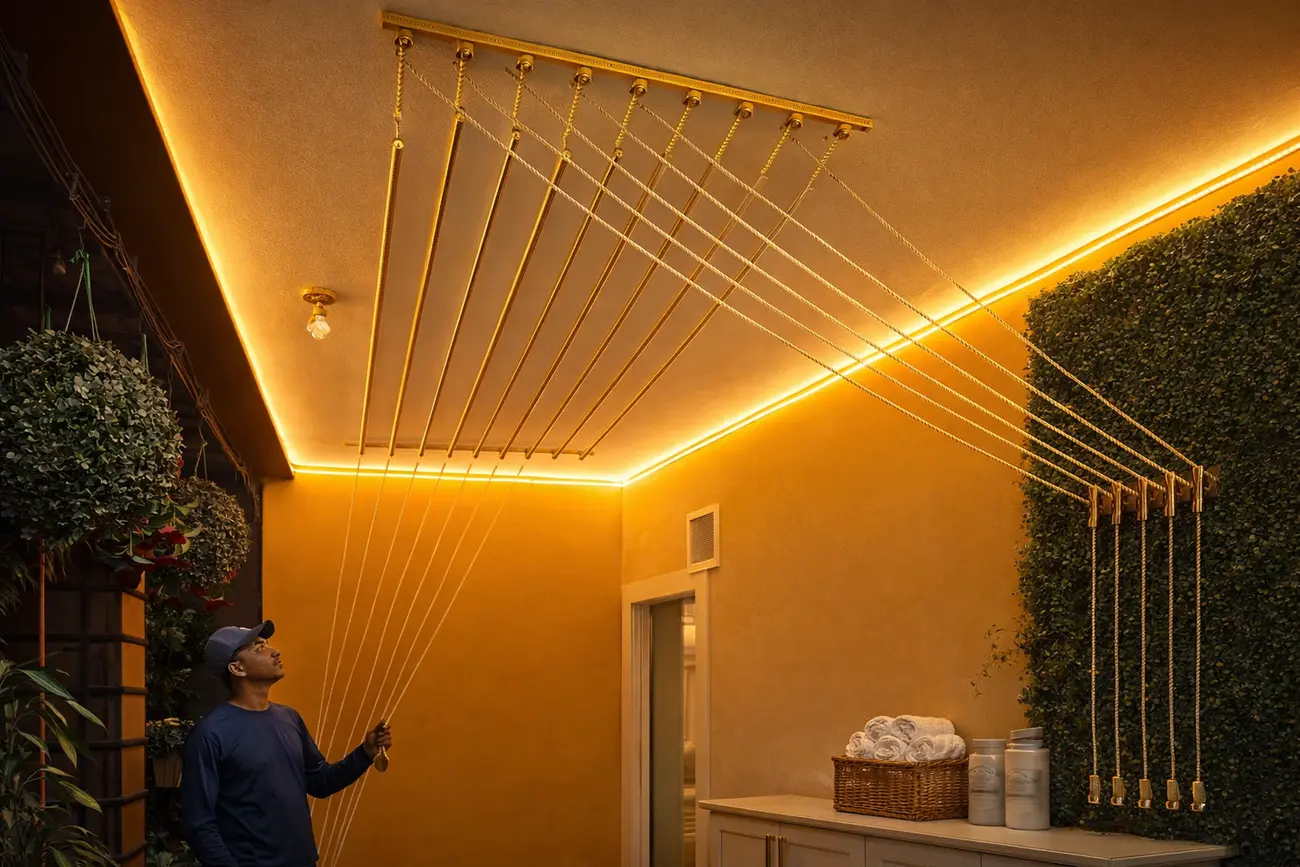
The cost should follow the opening, not a fixed script
From check to fitting
Fixing points, access, and finish checked before the line is set
One site in Financial District showed exactly how this issue plays out in real homes. The property was a luxury tower utility balcony in the Financial District residential corridor. The family had tried to solve the drying load with a rack, a low rod, and occasional stand support for heavier garments. The setup looked busy and still failed to make the area easy to use. We first checked the honest ceiling span, the standing strip below it, and how the family actually entered and loaded the corner. We replaced the visible mixed setup with a cleaner ceiling-aligned line that delivered both stronger functionality and a quieter well-finished finish. We also corrected the behavior the older setup had created, where the family kept drying clothes in cramped clusters because the hardware never allowed a proper spread. Once the new line was in place, the corner became easier to enter, easier to load, and less visually tiring under real wash-day conditions.
The site should feel calmer after fitting
Every installation is planned to preserve openness, airflow, and the clean look of the property while improving safety.
Related Services
Customers also explore these services
Browse closely related installation services for balconies, windows, bird protection, and modern home safety.
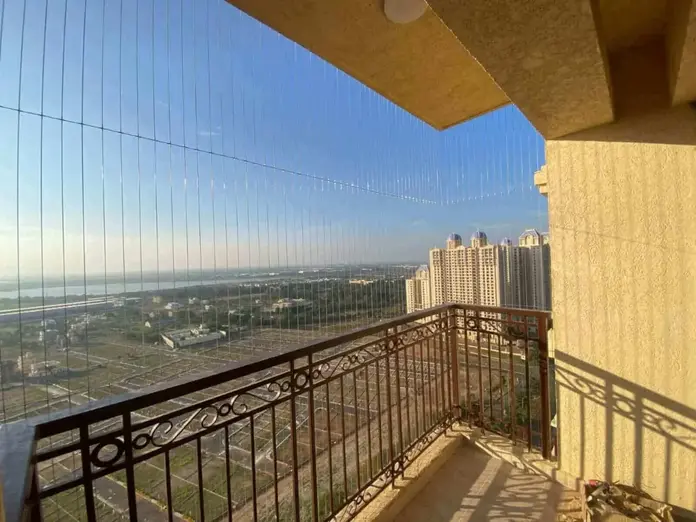
Service Page
Balcony Safety Invisible Grills
Sturdy balcony safety grills crafted from high-grade stainless steel. Perfect for apartment balconies, keeping children safe and birds away while maintaining a sleek, modern look.
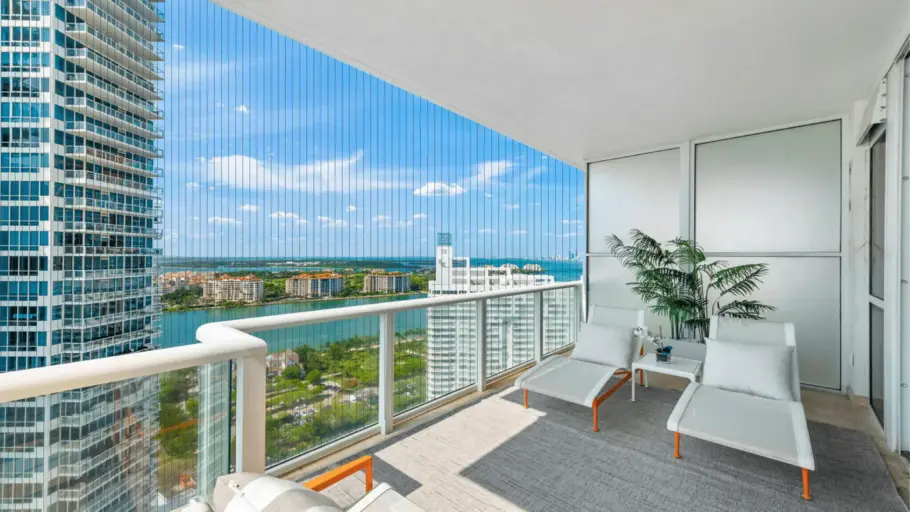
Service Page
Invisible Grills
Premium invisible grills made from SS 304/316 grade materials, ideal for apartments, windows, and balconies. Protects children and prevents birds from entering your home without blocking your view.
Service Page
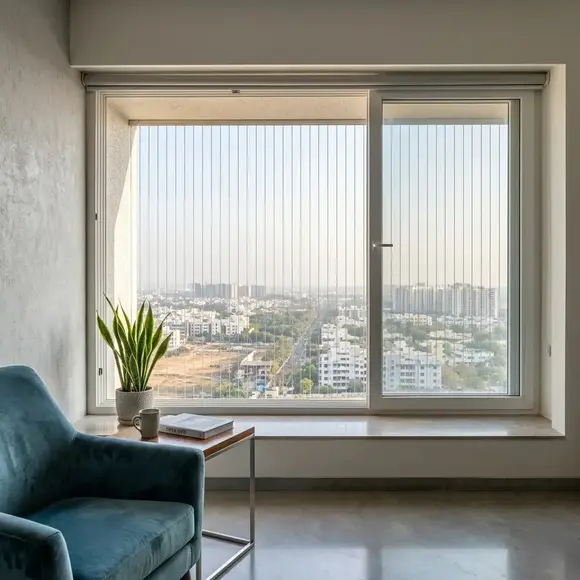
Windows Invisible Grills
Custom window grills using SS 304/316 grade stainless steel. Invisible yet strong, ideal for child safety and bird protection, letting you enjoy a clear view while keeping your home secure.
Service Page
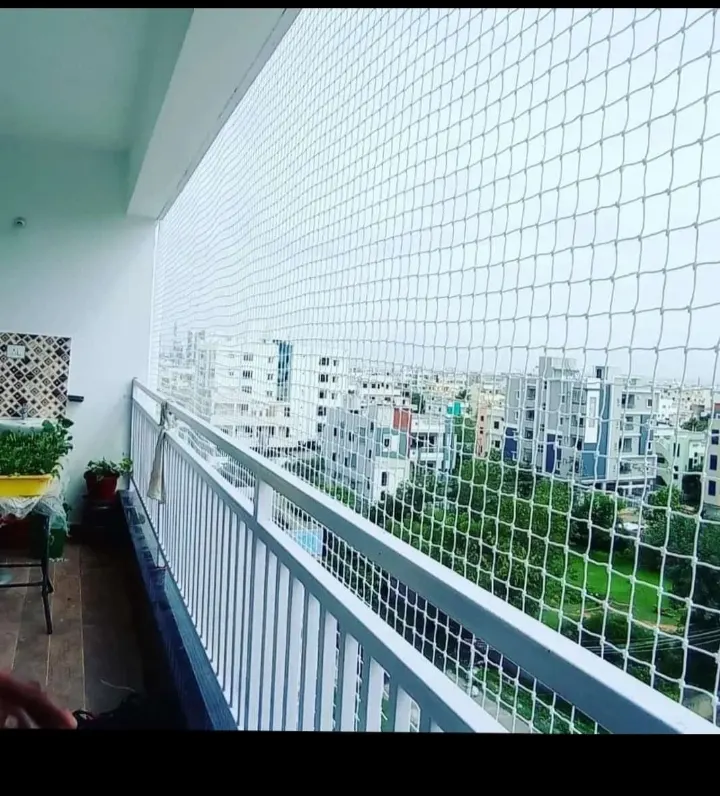
Anti Bird Net Installation
Strong and long-lasting anti bird nets to protect balconies, windows, and open areas from pigeons and birds. Safe, eco-friendly, and ideal for maintaining hygiene in residential and commercial spaces.
Frequently Asked Questions
That depends on the usable ceiling span, drop comfort, and how the family uses the balcony or utility area. In many Financial District homes, a ceiling-mounted cloth hanger works better than a floor stand because it protects movement below while keeping the drying line more organized. The right choice is usually the one that matches the room's real standing width instead of only the widest possible rod length.
Yes. They are especially useful in apartments where the utility balcony has to stay functional for drying, movement, and washing-machine access at the same time. In many homes, that single change is what finally makes the service edge feel properly usable again.
Yes. Utility balconies are one of the most common spaces we handle, especially where the family wants more drying capacity without losing the lower floor area.
Price depends on usable span, ceiling condition, access, installation complexity, and whether older rods or racks must be removed before the new system is fitted neatly. The final cost becomes easier to judge when it is tied to how much usable space and wash-day ease the installation actually restores.
Yes. Many projects begin after an older wall rack, low rod, or improvised setup has already made the utility corner harder to use than it should be. Replacing that older hardware often improves both the drying sequence and the visual calm of the space at the same time.
Yes, when the correct system is chosen and installed properly. Real performance comes from good support, sensible span, and clean placement rather than rod count alone. A properly planned line usually carries the family's weekly routine far more comfortably than a stand-and-rod combination.
Straightforward installations can often be completed in a short visit, while correction work, older hardware removal, or tighter site conditions may take longer depending on access and ceiling condition.
Because this is a daily-use purchase. People want a system that saves space, looks cleaner, and improves the drying routine instead of creating one more compromise at home.
Popular Areas We Serve
Explore this service in top locations
Talk through the opening
Need Cloth Hangers in Financial District?
Ask Rohini Invisible Grills to check ceiling or wall strength, daily drying load, reach height, and movement space before fitting cloth hangers in Financial District.