AECS Layout utility and ceiling work starts with the site
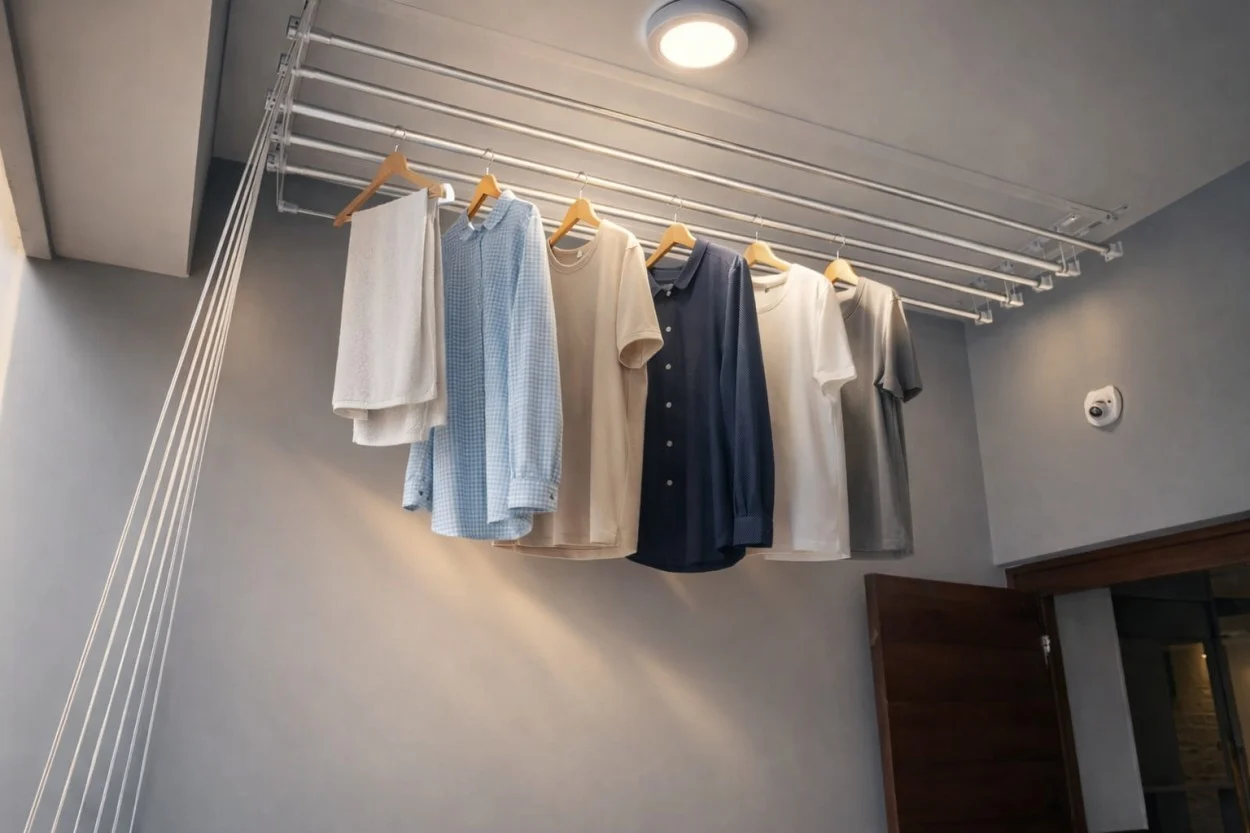
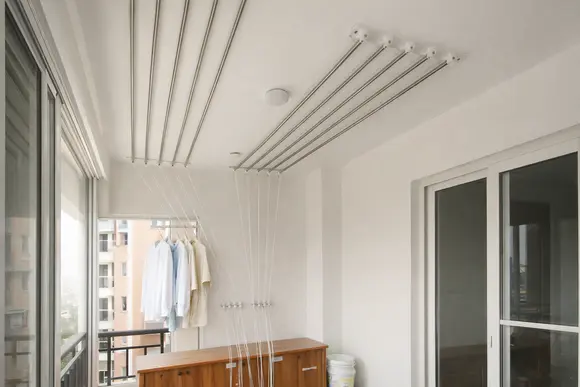
Utility balconies in AECS Layout often hold a washing machine, sink, drain and safety barrier within a narrow footprint. A ceiling hanger keeps the floor open when rods are raised, but only the clear upper zone is usable. We measure around beams, lights, pipes, lofts and the balcony door. The regular user’s standing position is considered along with the ceiling dimensions. For a community or independent home in AECS Layout, rod length and wet-clothes load is checked before the material order can be confirmed.
Wet laundry should not hang from gypsum, PVC panels or another decorative false ceiling alone. The installer identifies a structural slab or approved frame and plans suitable extensions where a ceiling finish conceals it. Pipes and known electrical routes are avoided. If a dependable overhead support cannot be reached, a wall-folding or portable drying system is recommended instead. A useful AECS Layout estimate states comfortable lowering height; only then is optional work stays separate from necessary work.
Process
Site Read
Materials
Scope Based
Service Area
AECS Layout
Site condition reviewed before final fitting is confirmed.
Material options discussed against exposure and fixing surface.
Fitting planned around balconies, windows, and high-rise access.
Cloth Hangers with the awkward points included
Utility balconies in AECS Layout often hold a washing machine, sink, drain and safety barrier within a narrow footprint. A ceiling hanger keeps the floor open when rods are raised, but only the clear upper zone is usable. We measure around beams, lights, pipes, lofts and the balcony door. The regular user’s standing position is considered along with the ceiling dimensions. For a community or independent home in AECS Layout, rod length and wet-clothes load is checked before the material order can be confirmed.
Talk through the site
Unsure what your utility and ceiling needs in AECS Layout?
Speak with our team for site guidance, product suggestions, and a site quote for your balcony, window, or outdoor installation.
Fitting details
hanger hardware and wall or ceiling fixing and drying load, reach height, and movement space in one plan
These notes keep the page tied to the actual utility and ceiling, the way the area is used, and the decisions that affect the finished work.
Rod Length and Usable Capacity for AECS Layout Properties
Several long rods may look generous but can crowd a compact utility and reduce air movement between clothes. We ask about normal wash size, bedsheets and heavy items, then balance rod count with door and appliance clearance. The quotation states the number, material and usable length of rods so the buyer can compare actual capacity. The final recommendation in AECS Layout follows control-rope position for daily use, and the installer can identify a limitation early.
Pulley Reach Without a Stool Around AECS Layout
The rods should lower to a comfortable loading level and rise above normal head movement. Cord location is chosen around the user’s reach, washing-machine position and wall space for a locking cleat. It does not cross a doorway or run against a sharp corner. Aligned pulleys help the rods travel level rather than tilting toward one side. For work around daily use in AECS Layout, RCC support above the drying area is recorded before the fixing method can be written clearly. A AECS Layout home can compare a ceiling-mounted manual pulley system with an automatic or motorized drying unit after ceiling height and daily use are understood.
Cloth Hangers in AECS Layout: Wet Clothes Create Uneven Loads
Towels, denim and sheets weigh more when wet and are rarely distributed perfectly. Anchors, brackets, pulleys, cord and rods are assessed as one system. Clothes are spread across the available span rather than concentrated on a single bar. Storage bags, plant pots and swings are not added to a laundry hanger, regardless of the visible tube thickness. The measurement discussion in AECS Layout covers rod length and wet-clothes load so the price follows measured work rather than a package.
Ventilation, Sun and Dust in AECS Layout
A well-ventilated position dries clothes more effectively, but outward-facing balconies can collect road dust from the Kundalahalli and Brookefield side. The chosen rod line uses available airflow without placing fabric against the parapet, bird net or cable grill. Rods are wiped before clean laundry is loaded. An enclosed room may also need window or exhaust ventilation. At the fixing review for AECS Layout, comfortable lowering height is matched to the site before the customer can compare like-for-like quotations.
Scope, access, and surface decide the final quote
From check to fitting
Fixing points, access, and finish checked before the line is set
Utility balconies in AECS Layout often hold a washing machine, sink, drain and safety barrier within a narrow footprint. A ceiling hanger keeps the floor open when rods are raised, but only the clear upper zone is usable. We measure around beams, lights, pipes, lofts and the balcony door. The regular user’s standing position is considered along with the ceiling dimensions. For a community or independent home in AECS Layout, rod length and wet-clothes load is checked before the material order can be confirmed.
A finish that should not fight the room
Every installation is planned to preserve openness, airflow, and the clean look of the property while improving safety.
Related Services
Customers also explore these services
Browse closely related installation services for balconies, windows, bird protection, and modern home safety.
Service Page
Balcony Safety Invisible Grills
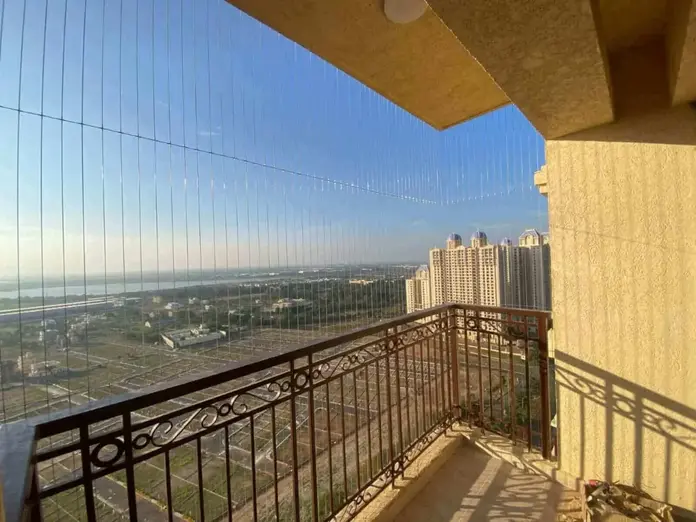
Sturdy balcony safety grills crafted from high-grade stainless steel. Perfect for apartment balconies, keeping children safe and birds away while maintaining a sleek, modern look.
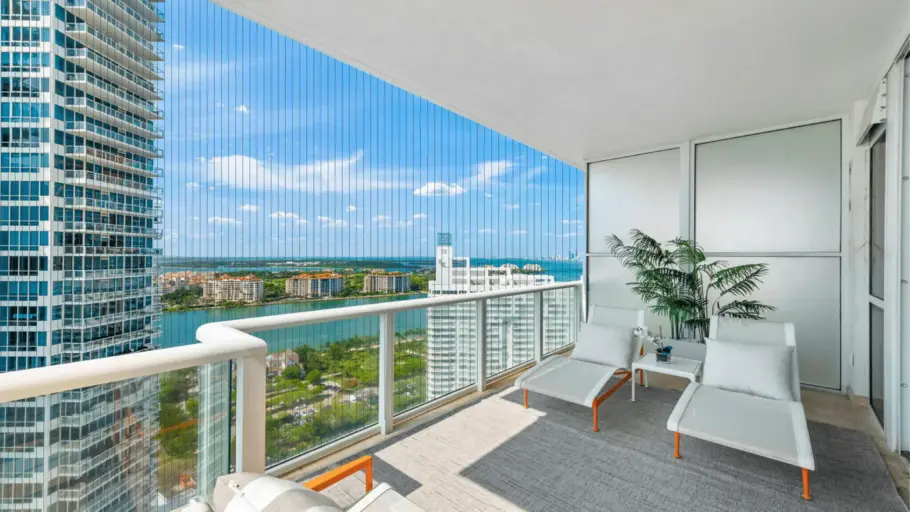
Service Page
Invisible Grills
cleanly finished invisible grills made from SS 304/316 grade materials, ideal for apartments, windows, and balconies. Protects children and prevents birds from entering your home without blocking your view.
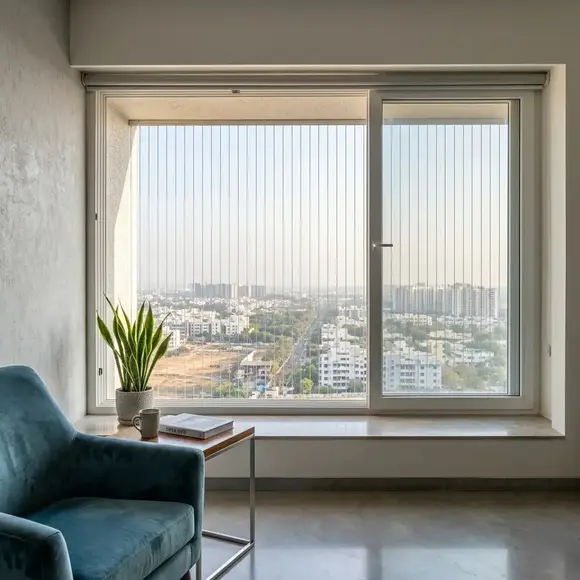
Service Page
Windows Invisible Grills
Custom window grills using SS 304/316 grade stainless steel. Invisible yet strong, ideal for child safety and bird protection, letting you enjoy a clear view while keeping your home secure.
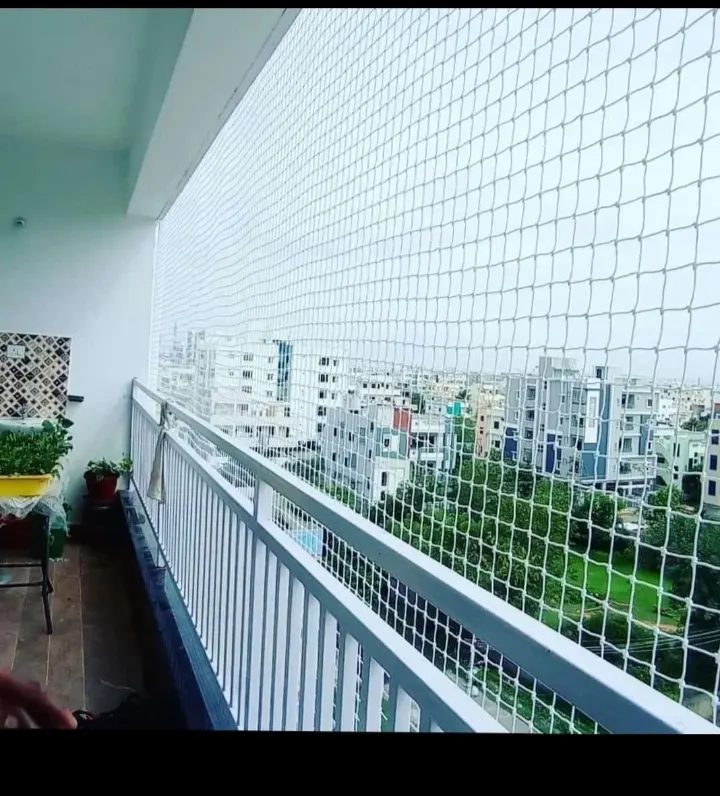
Service Page
Anti Bird Net Installation
Strong and long-lasting anti bird nets to protect balconies, windows, and open areas from pigeons and birds. Safe, eco-friendly, and ideal for maintaining hygiene in residential and commercial spaces.
Frequently Asked Questions
What does a ceiling cloth hanger cost in AECS Layout?
Rod count, length, material, pulley mechanism, mounting hardware, ceiling height, false-ceiling access and fitting conditions determine the measured quote.
Can the hanger be mounted on a false ceiling in AECS Layout?
Not on the decorative boards alone. The fixing must reach a structural slab or approved support using a suitable access and extension detail.
How many drying rods should I select in AECS Layout?
The answer depends on normal laundry volume, clear ceiling span, rod length, door movement, ventilation and the user’s comfortable reach.
Can it fit with an existing pigeon net in AECS Layout?
Yes when the rods, clothes, cords and anchors remain clear of the net and future maintenance access is preserved.
What should I do when the cord frays in AECS Layout?
Unload the hanger and arrange inspection or compatible cord replacement instead of continuing with a heavy wet load.
Is a ceiling hanger suitable for tenants in AECS Layout?
It can be when the owner permits structural drilling. A portable or wall-mounted alternative may be more practical where permanent holes are prohibited.
Nearby Bangalore areas
cloth hangers near AECS Layout
Before you book
Plan a Cloth Hanger in AECS Layout
Get a measured rod and pulley layout that preserves structure, reach, ventilation and appliance movement.