
Cloth Hangers in Aghapura | Ceiling & Balcony Drying Solutions Installation
Rohini provides well-finished cloth hanger installation in Aghapura for upper-floor homes, compact balconies, utility ceilings, and wall-side drying corners. We help replace cluttered drying stands and weak old racks with cleaner ceiling and balcony cloth hanger systems that improve drying efficiency and daily utility space.
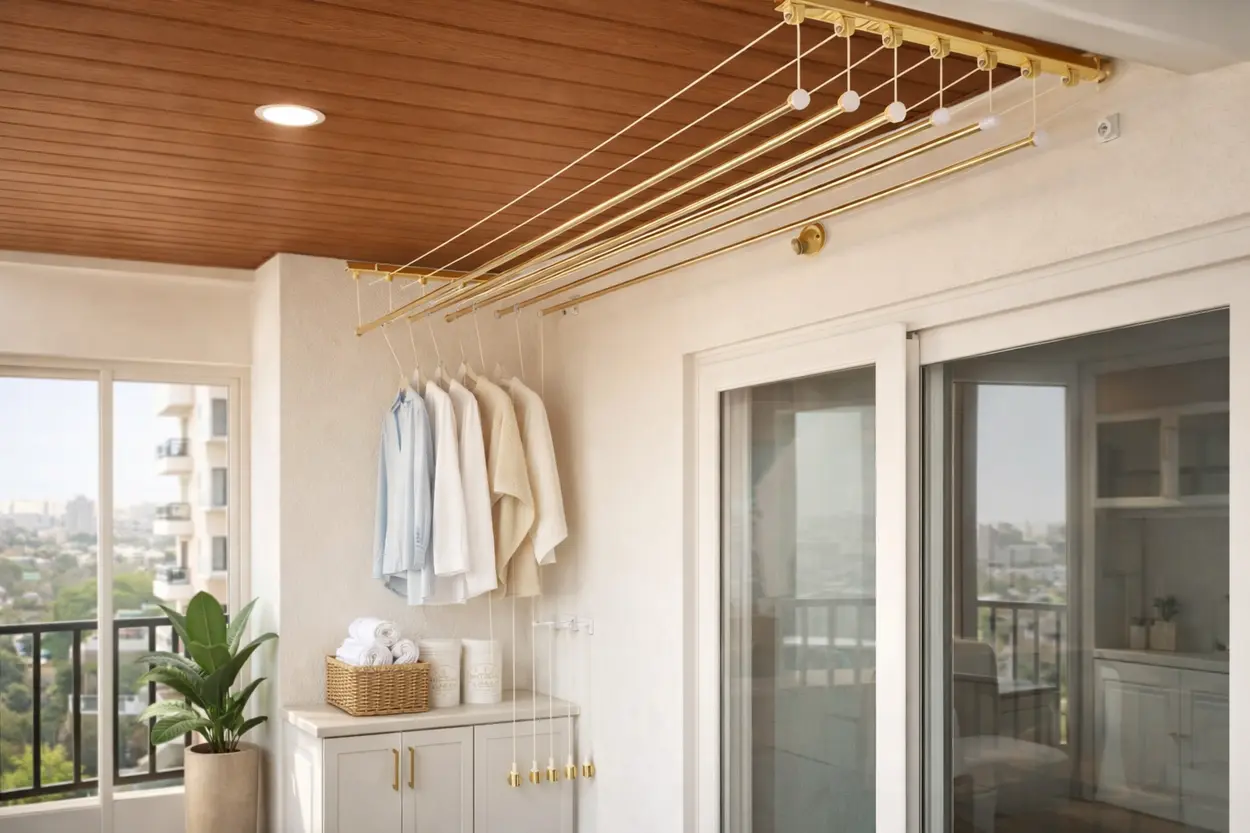
A calmer utility and ceiling answer for Aghapura
The housing pattern in Aghapura shapes the drying problem more than most people realize. In the older inner-city neighbourhood where close-set homes and upper-floor service spaces have to work harder for every inch of drying room, homes are built around upper-floor homes, compact balconies, utility ceilings, and wall-side drying corners. That means the drying zone is almost never a spare room. It is part of the balcony, the service side, the kitchen utility strip, or a narrow ceiling line the family depends on every week. folding stands block movement, damp clothes sit too near the wall, and the family loses the only workable service edge. In many homes, the issue is not only lack of room. It is poor use of vertical room. A well-planned cloth hanger shifts the drying load upward, opens the floor, improves hanging alignment, and lets longer garments sit more naturally in airflow. That changes the experience of the space immediately. The home stops feeling like it is constantly adjusting to laundry.
In Aghapura, the cloth-hanger problem rarely starts as a product search. It starts as lived irritation. In a compact upper-floor service balcony with very little turning radius inside the inner-city lanes linking older housing clusters with busier central roads, the family usually begins with a floor stand, a low wall rod, or an older hanger line that once felt good enough. Over time, folding stands block movement, damp clothes sit too near the wall, and the family loses the only workable service edge. Once that pattern sets in, the balcony or utility area stops behaving like a clean service zone. It becomes a space people work around. Laundry has to be shifted twice. Longer clothes have to be folded oddly. The family loses movement space on the exact edge that should have made the home easier to use. Strong cloth hanger installation in Aghapura matters because it gives the drying process a better structure, so the home feels calmer, clearer, and more usable again.
Process
Site Read
Materials
Scope Based
Service Area
Aghapura
Site condition reviewed before final fitting is confirmed.
Material options discussed against exposure and fixing surface.
Fitting planned around balconies, windows, and high-rise access.
a laundry corner that stays easier to use after the right load and reach check
The housing pattern in Aghapura shapes the drying problem more than most people realize. In the older inner-city neighbourhood where close-set homes and upper-floor service spaces have to work harder for every inch of drying room, homes are built around upper-floor homes, compact balconies, utility ceilings, and wall-side drying corners. That means the drying zone is almost never a spare room. It is part of the balcony, the service side, the kitchen utility strip, or a narrow ceiling line the family depends on every week. folding stands block movement, damp clothes sit too near the wall, and the family loses the only workable service edge. In many homes, the issue is not only lack of room. It is poor use of vertical room. A well-planned cloth hanger shifts the drying load upward, opens the floor, improves hanging alignment, and lets longer garments sit more naturally in airflow. That changes the experience of the space immediately. The home stops feeling like it is constantly adjusting to laundry.
Material notes
hanger hardware and wall or ceiling fixing matched to the real surface
Site question
Have a Aghapura opening that needs a closer look?
Speak with our team for site guidance, product suggestions, and a site quote for your balcony, window, or outdoor installation.
What changes the result
How the work should respond to Aghapura
Each detail should help a customer understand what is being checked, why it matters, and how the result should behave after fitting.
What Better Cloth Hanger Installation Looks Like in Aghapura
Our work in Aghapura starts by reading the space rather than forcing a standard size into it. We check ceiling height, reach comfort, rod travel, wall clearance, and how the family actually enters and uses the balcony or utility area. In a case like a compact upper-floor service balcony with very little turning radius, we usually re-center the line, lift the drop height properly, and use the full usable span so clothes hang in a cleaner row instead of a cramped stack. On many sites, the real fix is not more rods. It is better placement. We correct line balance, rod spacing, and lowering height so the family can dry daily clothes, heavier items, and longer garments without constantly rearranging the area. That is the point where the cloth hanger stops being a gadget and becomes a real spatial improvement.
Why Old Drying Setups Fail in Aghapura
The weakest drying setups in Aghapura usually fail for the same reason: they solve only the act of hanging clothes, not the geometry of the space. A stand may hold weight, but it blocks the path. A wall rack may open, but it steals the window swing. A cheap rod line may lower, but it drops too low for head clearance. In this area, we repeatedly see the same kind of failure story: the previous rack opened into the already-tight service route and made even normal passing movement awkward. When that happens, the family ends up living around the system instead of benefiting from it. Strong cloth hanger installation should do the opposite. It should use the ceiling, the swing path, the wall distance, and the drying width more intelligently. If the system interrupts movement, blocks ventilation, or makes heavier laundry difficult to manage, it has not really solved the problem at all.
Apartment and Landmark Pattern We Commonly Handle in Aghapura
One reason this service has to be written differently for Aghapura is that the apartment pattern itself changes the installation logic. Around inside the inner-city lanes linking older housing clusters with busier central roads, we see a mix of family blocks, compact apartments, and upper-floor homes where the drying zone is usually compressed beside the kitchen, tucked into a side balcony, or set into a narrower utility ceiling. In a compact upper-floor service balcony with very little turning radius, the family often wants two things at the same time: enough rod length for real weekly laundry and enough open space to keep the balcony from feeling lost. We handle that by designing around the actual lived width of the balcony or utility strip, not only the wall-to-wall measurement. That distinction matters because a technically fitting hanger can still feel wrong if it eats the last useful part of the room.
How Better Cloth Hangers Change Daily Drying in Aghapura
Good cloth hanger installation in Aghapura changes more than neatness. It improves the drying rhythm of the home. Clothes can be spread instead of layered. Floor movement becomes easier because the usable path returns. Ventilation improves because garments are not bunched at one height or forced into a dark corner. Heavier items no longer shape the whole balcony. The utility area feels like a designed part of the home again rather than a compromise zone. That change matters because laundry is not occasional. It is repeated family work. When the system is right, people stop negotiating with the space every time they wash clothes. The task becomes simpler, quicker, and much less visible in the life of the home. In busy homes, that also means fewer adjustments between wash cycles because the same rods, height, and reach pattern keep working without constant improvisation.
How the site shape affects the installation cost
Before work starts
A step-by-step fit around daily washing and drying
Our work in Aghapura starts by reading the space rather than forcing a standard size into it. We check ceiling height, reach comfort, rod travel, wall clearance, and how the family actually enters and uses the balcony or utility area. In a case like a compact upper-floor service balcony with very little turning radius, we usually re-center the line, lift the drop height properly, and use the full usable span so clothes hang in a cleaner row instead of a cramped stack. On many sites, the real fix is not more rods. It is better placement. We correct line balance, rod spacing, and lowering height so the family can dry daily clothes, heavier items, and longer garments without constantly rearranging the area. That is the point where the cloth hanger stops being a gadget and becomes a real spatial improvement.
A finish that should not fight the room
Every installation is planned to preserve openness, airflow, and the clean look of the property while improving safety.
Care notes
Small habits that help the work stay settled
Measure usable standing width, not only wall-to-wall span, before choosing rod length.
Protect window swing and door clearance so the drying system does not create a new daily obstruction.
Use the ceiling height properly so longer garments can hang cleanly without dragging or folding awkwardly.
Plan rod spacing for real family laundry load instead of only lightweight daily wear.
Remove weak old racks when they distort the new line or leave the space visually messy after installation.
Prioritize finish quality so the drying zone feels cleaner and more intentional every day.
Related Services
Customers also explore these services
Browse closely related installation services for balconies, windows, bird protection, and modern home safety.
Service Page
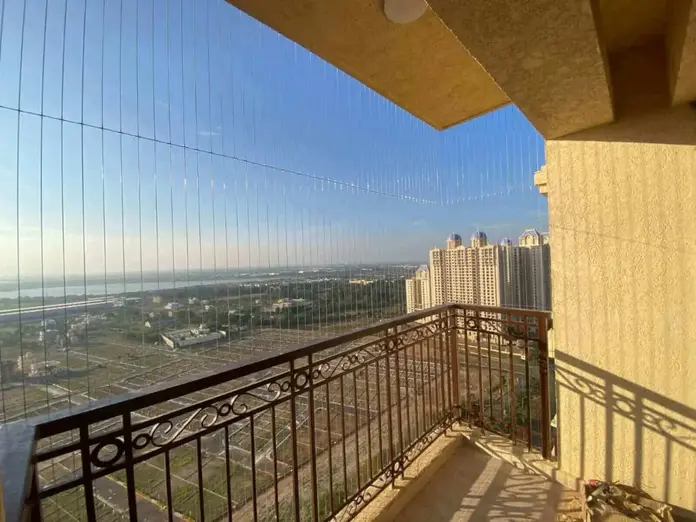
Balcony Safety Invisible Grills
Sturdy balcony safety grills crafted from high-grade stainless steel. Perfect for apartment balconies, keeping children safe and birds away while maintaining a sleek, modern look.
Service Page
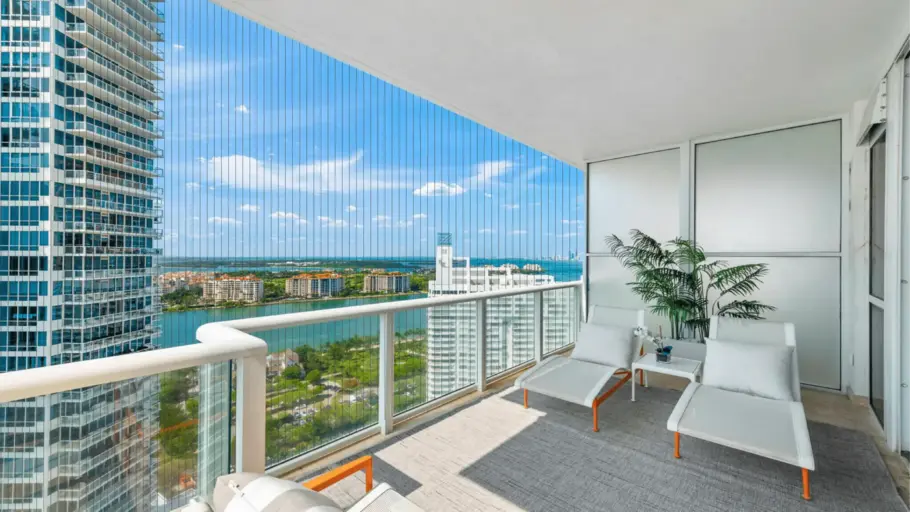
Invisible Grills
Premium invisible grills made from SS 304/316 grade materials, ideal for apartments, windows, and balconies. Protects children and prevents birds from entering your home without blocking your view.
Service Page
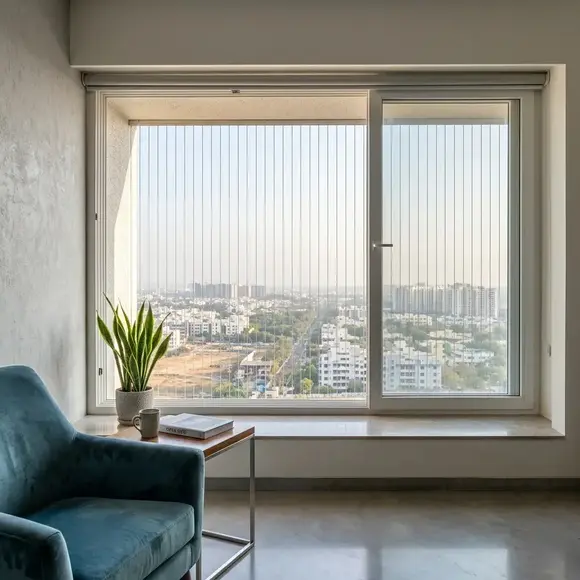
Windows Invisible Grills
Custom window grills using SS 304/316 grade stainless steel. Invisible yet strong, ideal for child safety and bird protection, letting you enjoy a clear view while keeping your home secure.
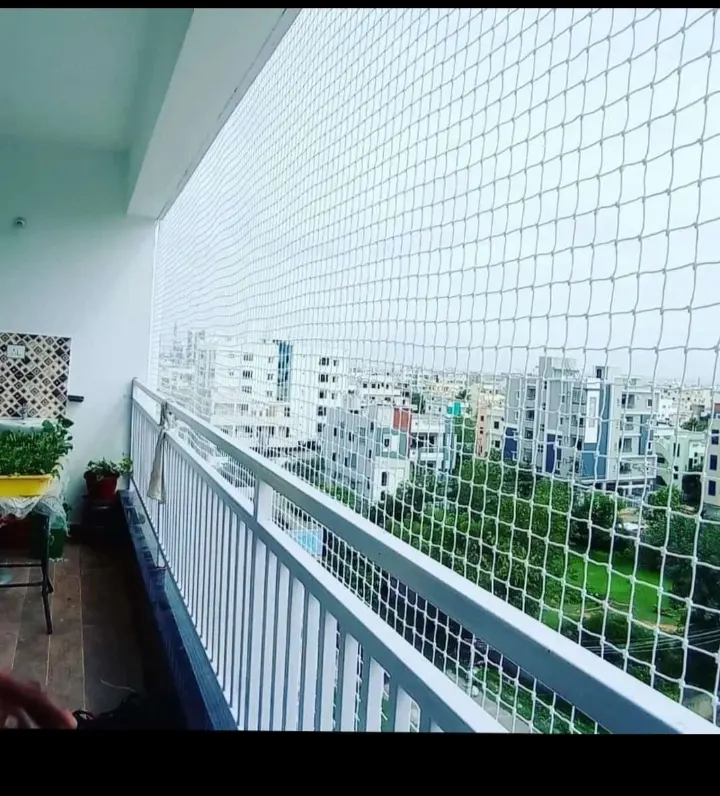
Service Page
Anti Bird Net Installation
Strong and long-lasting anti bird nets to protect balconies, windows, and open areas from pigeons and birds. Safe, eco-friendly, and ideal for maintaining hygiene in residential and commercial spaces.
Frequently Asked Questions
That depends on the available ceiling height, balcony depth, and how the family uses the space. In many Aghapura homes, ceiling-mounted or utility-zone cloth hangers work better than bulky floor stands because they free up daily movement space.
Yes. They are especially useful in apartments where the balcony or utility area has to stay usable for movement, airflow, and drying at the same time.
Yes. Utility balconies are one of the most common spaces we work on, especially where the family wants more drying efficiency without losing floor area.
Price depends on rod span, ceiling condition, access, installation height, and whether older hardware must be removed before the new system is fitted cleanly.
Yes. Many projects begin after a low old rack, rusted rod, or badly placed wall hanger has already made the drying zone harder to use.
Yes, when the system is chosen and installed correctly. The real difference comes from proper ceiling use, rod alignment, and support quality rather than only from rod count.
Straightforward installations can often be completed in a short visit, while spaces with older hardware removal, tighter geometry, or finishing corrections may take longer.
Because this is a daily-use product. People want a system that saves space, looks cleaner, dries clothes properly, and does not turn the balcony or utility area into a constant obstruction.
Popular Areas We Serve
Explore this service in top locations
Site check available
Need Cloth Hangers in Aghapura?
Get a Site Check in Aghapura for balcony and ceiling cloth hanger installation that saves space, improves drying, and fits your home more cleanly.